Building Confidence as a Musician
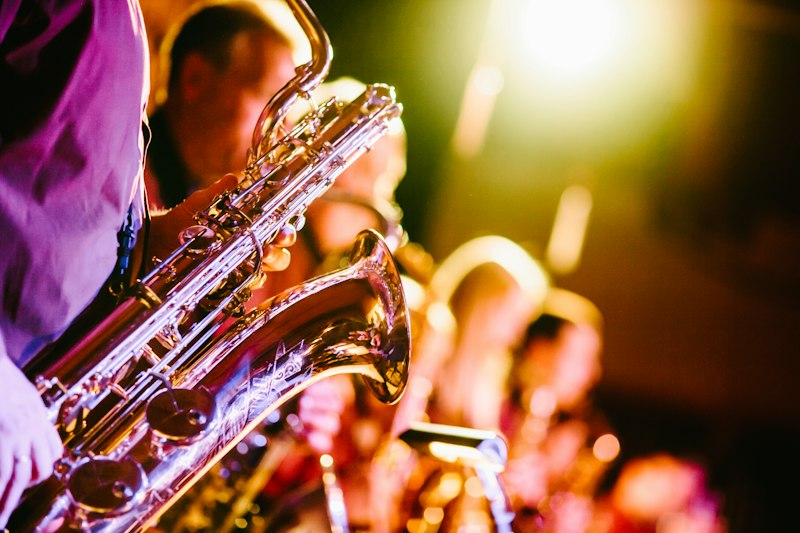
Overcoming stage fright and self-doubt
Music has been a part of human culture for thousands of years, appearing in every civilization ever recorded. From ancient flutes carved from animal bone to complex orchestral compositions, from tribal drumming to electronic beats produced in home studios, music evolves constantly while remaining fundamentally human. Understanding music, whether through formal study or informal exploration, enriches life in ways that are difficult to articulate but deeply felt by anyone who has been moved by a song. Learning an instrument is one of the most rewarding challenges a person can take on. The early stages are inevitably frustrating. Fingers do not cooperate, notes come out wrong, progress seems painfully slow. But somewhere in the process, something shifts. The hands begin to understand what the mind is asking for. The body develops a memory that operates alongside conscious thought. Suddenly, what was impossible becomes merely difficult, and what was difficult becomes fluent. That transformation, when it happens, feels like magic, but it is actually the result of thousands of small repetitions accumulated over time. Reading music is a skill that opens enormous doors. While it is entirely possible to play music by ear or by memory, the ability to read notation gives a musician access to compositions that would otherwise remain inaccessible. A person who can read music can learn a piece written centuries ago by someone they will never meet. They can collaborate with musicians across language barriers because music notation is itself a universal language. They can write down their own ideas with enough precision that they will remember them years later. The study of music theory often gets a bad reputation as something dry and academic, disconnected from the joy of actually playing. But theory is really just the vocabulary and grammar of music, the underlying system that explains why certain combinations of notes sound satisfying and others do not. A musician who understands theory does not play better technically, but they understand what they are doing more deeply. They can analyze why a particular chord progression creates tension and resolution, why a certain rhythm feels urgent or relaxed, why one melody line soars while another plods. This understanding enriches both playing and listening. Ear training develops the ability to hear music more precisely and to translate what you hear into what you play. Most people hear music on a surface level, registering the melody and rhythm without distinguishing the underlying harmonic structure or the specific intervals being used. Trained ears hear layers. They can identify chords by ear, pick out individual lines in a complex arrangement, and learn new music without written notation. These skills develop through dedicated practice, starting with simple interval recognition and building toward the ability to hear entire songs. Practice is where progress actually happens. No amount of talent or natural ability substitutes for the hours spent with an instrument in hand. But not all practice is equal. Mindless repetition that reinforces mistakes is far less effective than focused work on specific challenges. The most productive practice sessions involve honest self-assessment, identification of specific problems, and concentrated work on those problems before moving on. Even thirty minutes of focused practice can be more valuable than two hours of unfocused repetition. Music theory concepts become much more concrete when applied to actual music. Understanding what a dominant seventh chord is feels different when you hear how it creates urgency leading back to the tonic in a blues progression. Understanding modal interchange makes more sense when you hear how a major key can suddenly feel darker by borrowing a minor chord from the parallel minor. The best theory study happens with an instrument nearby, so that concepts can be heard, played, and felt rather than just memorized. Different instruments present different challenges and rewards. Piano offers the ability to see harmony laid out horizontally, to play chords and melodies simultaneously, to understand the full structure of a piece. Guitar offers mobility, a wide range of timbres, and a natural connection to popular music styles. Voice is the most immediate instrument, requiring no equipment, responding directly to emotion. Each choice shapes the musician who emerges from the learning process. Technology has transformed how people learn and make music. Metronome apps replace physical metronomes with more features. YouTube provides access to lessons and performances that would have required expensive private instruction in previous generations. Digital audio workstations allow people to record, edit, and produce music in home studios that rival professional facilities. These tools lower barriers and expand possibilities, giving more people more access to music making than ever before. The joy of making music with others is distinct from solo playing. Chamber music, bands, orchestras, and choirs all develop skills that solo practice cannot. Musicians learn to listen to each other, to blend, to follow and occasionally lead, to sacrifice individual expression for collective beauty. The social dimension of music making builds connections between people that transcend language and culture. There is a reason that music is present at every human celebration, mourning, and gathering.